Goldaniatech Update 0:
Genesis Prototypes


Bolt Train Prototype with Blinn-Phong shader workflow

From Concept to Creation


I began creating the first prototype of Goldaniatech during the summer of 2018, and finished the last prototype in November 2024, ending the Genesis Cycle of my game. My goal was essentially to create many small prototypes to test various ideas.

However, during that entire cycle, I was only able to dedicate between 0% (yes, zero 😅) and 5% of my time to developing my game, which made progress incredibly slow. This was mainly because I was writing my PhD thesis (2018-2024) while working full‑time at first, and later, in 2021, founding my own company to offer services as a Computer Science Instructor.

Besides, I rarely shared renders or videos on social media and barely updated my website. So in 2024 (with an update in 2025), I summed up the Genesis cycle in this article and created new renders with Unreal Engine 5 and Blender 5, to provide higher-quality visuals whenever possible 😊.

Bolt Train Prototype


Train Prototype Scene for Goldaniatech Genesis

The goal of this first prototype for my game, created during the summer of 2018, was to test my entire workflow and significantly improve my skills with Blender, which was incredibly challenging at that time, as I was just starting to learn it 😵‍💫!

I also wanted to explore various texturing workflows to decide how exactly I would create texture for the game.

Bolt Train Prototype with Blinn-Phong shader workflow

Old-School Texturing Workflow


I started learning Substance Painter in 2018 as well, and one of the very first models I textured with it is still visible in an old Instagram post 😅. I’ve chosen not to include it on the website, though, since it’s a PlayStation 1 console, and not an imaginary one I designed myself.

Back then, I wasn’t quite comfortable with Substance yet, so I went with a more traditional texturing workflow 😉, the kind heavily used throughout the 2000s and early 2010s, and still common in mobile or low-spec games today . Spoiler alert: I eventually switched to PBR texturing after spending more time training with Substance Painter 😃.

Blinn-Phong Shader


Technically speaking, this traditional workflow relies on legacy shaders like Blinn-Phong (whether it’s the Blinn, Phong, or Lambert shader doesn’t make much difference in this context). In the gaming industry, those were largely replaced by PBR, for Physically-Based Rendering, in the early to mid 2010s.

Without going too deep into some gritty technical details, this older workflow rquires shadows and lighting information to be painted directly into the texture itself.

The PBR workflow, on the other hand, simulates realistic lighting behavior and can theoretically adapt to different environments dynamically, although I find it a bit more challenging for making stylized art.

Quick note: this shouldn’t be confused with lightmaps, which bake the lighting of an existing scene (i.e. calculate and store lighting information), usually in a game engine like Unreal Engine, into a separate texture (mapped via UVs) for static lighting setups.

Golden Genesis - Train Prototype Scene

Art Style Shifting

I ended up modeling a couple of meshes: two trains (using the same base model), a railroad track with 3D pebbles, a modern car, a road, and a few containers. I also tried to create a character, but it was far from easy, as I wasn’t proficient enough in Blender yet 😅.

And although I had trained with GMax and 3DS Max from 2006 to 2018, I was never really comfortable making good characters (but don’t tell anyone 😂). That was probably because I was aiming for a realistic art style that I never truly enjoyed…

To put it bluntly, I was never fond of faking 3D shapes unless they popped out visually, like with tessellation (and not normal maps or their predecessor, bump maps). Thus, I never liked the idea of making eyebrows or beard with card hair with an alpha channel (transparency on a texture 😉).

I always preferred the idea of modeling everything, including eyebrows and hair, and using textures purely for color, rather than faking shapes 😎. That mindset is still there in 2025 and shaped many design decisions.

The result of this first prototype led me to happily abandon the ‘semi-realistic’ (but still old-school) style in favor of a more stylized look, which became the focus of my next prototype. I wasn’t sure what direction to take with texturing, so I decided to focus on 3D modeling and animation, experiment more with Unreal Engine 4, and leave further texturing decisions for later.

Golden Labs Prototype


Stylized Characters Experiment


I built my second prototype, the Golden Research Laboratories, in early to mid to explore a more stylized approach with animated characters. It featured the playable quadruplets from the game, though I stopped before creating Logan.

By then, I was more comfortable with Blender, but modeling organic meshes like characters or animals were still a real challenge. The sisters’ models are full of mistakes, especially in facial features, hands, and proportions! No doubt about it: this was unmistakably an early prototype 😅.

No Gameplay

Gameplay in this prototype was practically nonexistent, limited to walking around the Golden Labs interior 🙃. I had plenty of ideas from earlier tests and some nice concepts, but it was far too early to think about real gameplay features. The main goal at this stage was to establish a solid workflow and improve my skills with Unreal Engine 4, Blender, and Substance Painter.

Animation Tests


In addition to modeling, I experimented with both bone-based animation for the body and Shape Keys, known as Morph Targets in 3DS Max or Unreal Engine, for the eyes.

That said, Shape Keys aren’t something I plan to use for humanoid characters. Unlike bones, they can’t be reused across multiple rigs, and as far as I know, they don’t allow for independent control of mirrored elements, like closing one eye without affecting the other 👀.

So while they’re useful in certain cases, they don’t offer the flexibility I was aiming for. That’s why I ultimately decided to avoid them.

Research Labs render in Unreal EngineGolden Research Labs RenderGolden Research Labs RenderGolden Research Labs RenderGolden Research Labs Render

Shark Traveler Prototype


A Semi-stylized Prototype


While working on the Golden Research Laboratories prototype, I also built another prototype in parallel: the Virtual Shark Traveler.

For this one, I took the train from my first prototype and transformed it into a stylized, almost creature-like machine, and added cables, chains, and even teeth 😅.

A Cascade-powered Vortex


The vortex itself was created in Unreal Engine 4, though I used the Cascade particle system instead of Niagara back then.

The new Niagara particle system was still in its early days, and there just weren’t enough tutorials available to really understand it properly.

At the end of the day, while I really liked the result of this prototype, it still didn’t feel stylized enough. My goal was to create a western-inspired stylized look, maintaining realistic proportions while avoiding the manga or anime aesthetics. They’re undeniably cool, but it wasn’t the direction I wanted to take with this project 😉.

Colorful City Prototype


Textureless Experiment


After a long hiatus to work on other tasks (PhD, etc.), I began creating the third prototype in early 2020, which I named Colorful City.

My objective with it was to experiment my art style further while still taking performance into account, as it’s an Open World.

Thus, the idea of making a textureless game crossed my mind, but it didn’t quite fit the vision I had for my style 😅! However, I experimented quite a lot with shaders and 3D modeling to try to find a good balance between 3D shapes and texturing.

While I really liked the result of this prototype, it still didn’t feel stylized enough. My goal was to achieve a western-inspired stylized look, maintaining realistic proportions while avoiding the Manga or Anime art styles. Those are quite cool indeed, but definitely not what I was aiming for!

Colorful City prototype from GoldaniatechColorful City prototype from GoldaniatechColorful City prototype from GoldaniatechColorful City prototype from GoldaniatechColorful City prototype from Goldaniatech
Colorful City prototype from Goldaniatech

Successful Art Experiment


As I’m creating an Open World game, many of my decisions are driven by the goal of saving as much performance as I can. Thus, the textureless experimentation was a way to see if I could end up saving performance or using untextured assets for some parts of the game.

However, as we will see in the next prototype, my textured models are overly detailed. Thus, textureless models are definitely not matching next to texured models, which made impossible the very idea of using textureless models.

In any case, the Colorful City prototype really helped me to shape my art style and create better-looking 3D models (or meshes). This experimentation still influences the way I make models.

Another thing that helped was the Golden Studio, where I experimented with materials (that’s the Unreal Engine 4 screenshot with the kitchen full of donuts 😋). Note that these donuts were created by following the famous Blender Guru tutorial, as I still had to train myself and update my skills heavily with Blender.

Colorful City prototype render in Unreal EngineColorful City prototype from GoldaniatechColorful City prototype from GoldaniatechColorful City prototype from GoldaniatechColorful City prototype from GoldaniatechColorful City prototype from GoldaniatechColorful City prototype from Goldaniatech

Heavenly Castle Prototype


Heavenly Castle render in Unreal Engine

Detailed Texturing Experiment


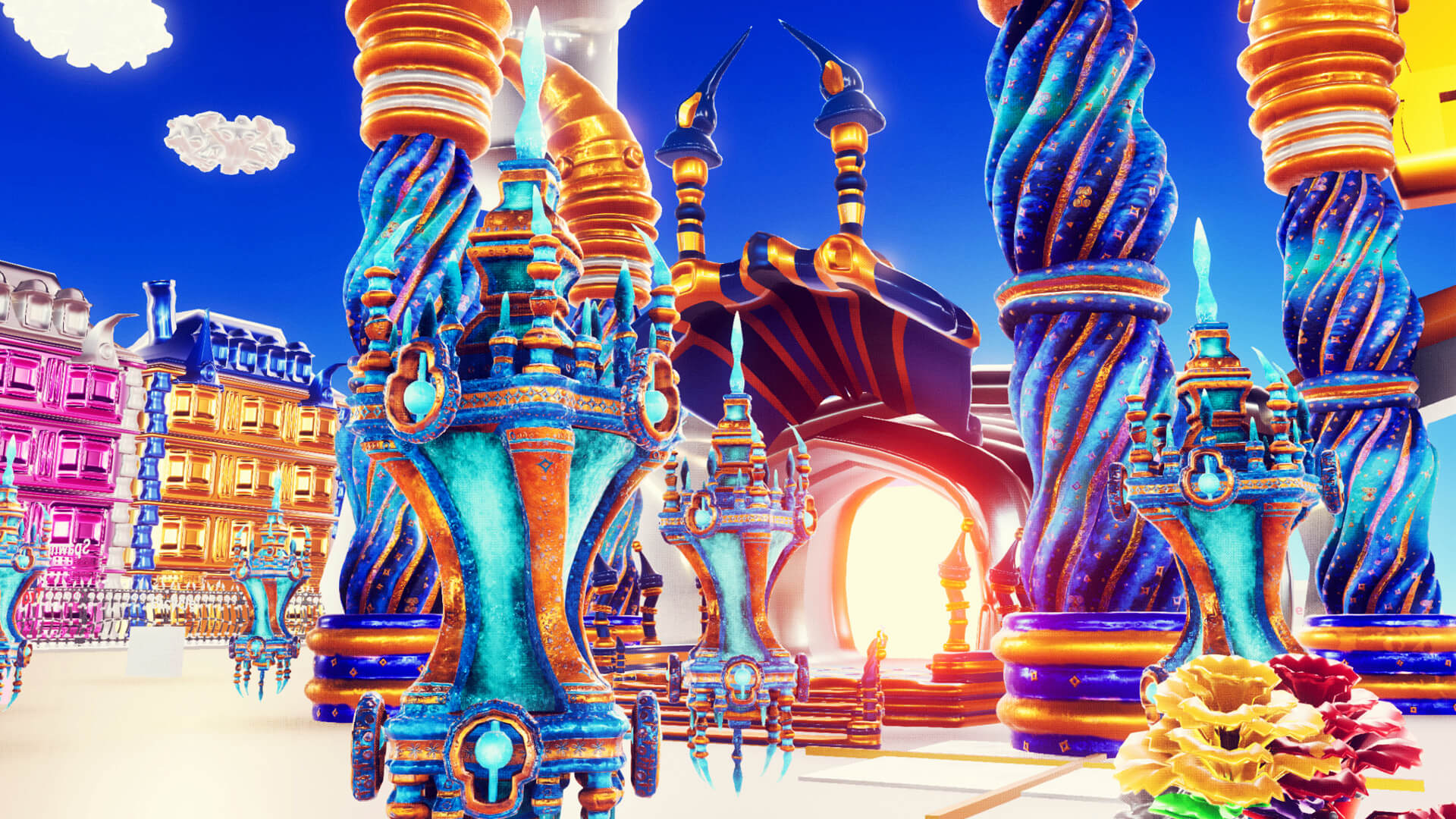
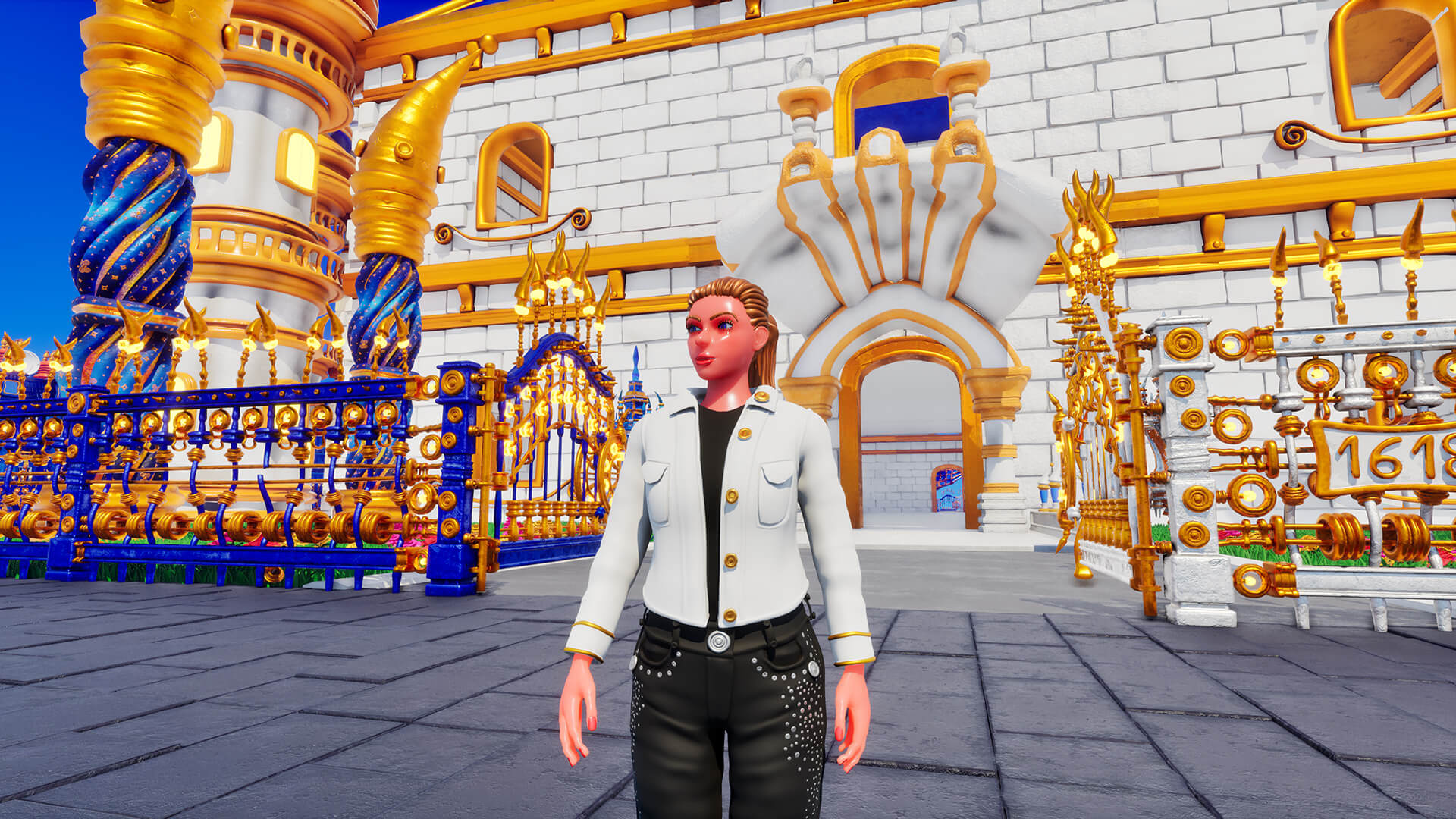
The Heavenly Castle Prototype that I started in 2021 is probably the closest to the actual game look. I shaped and sharpened my art style enough to know how I wanted the overall look of the game.

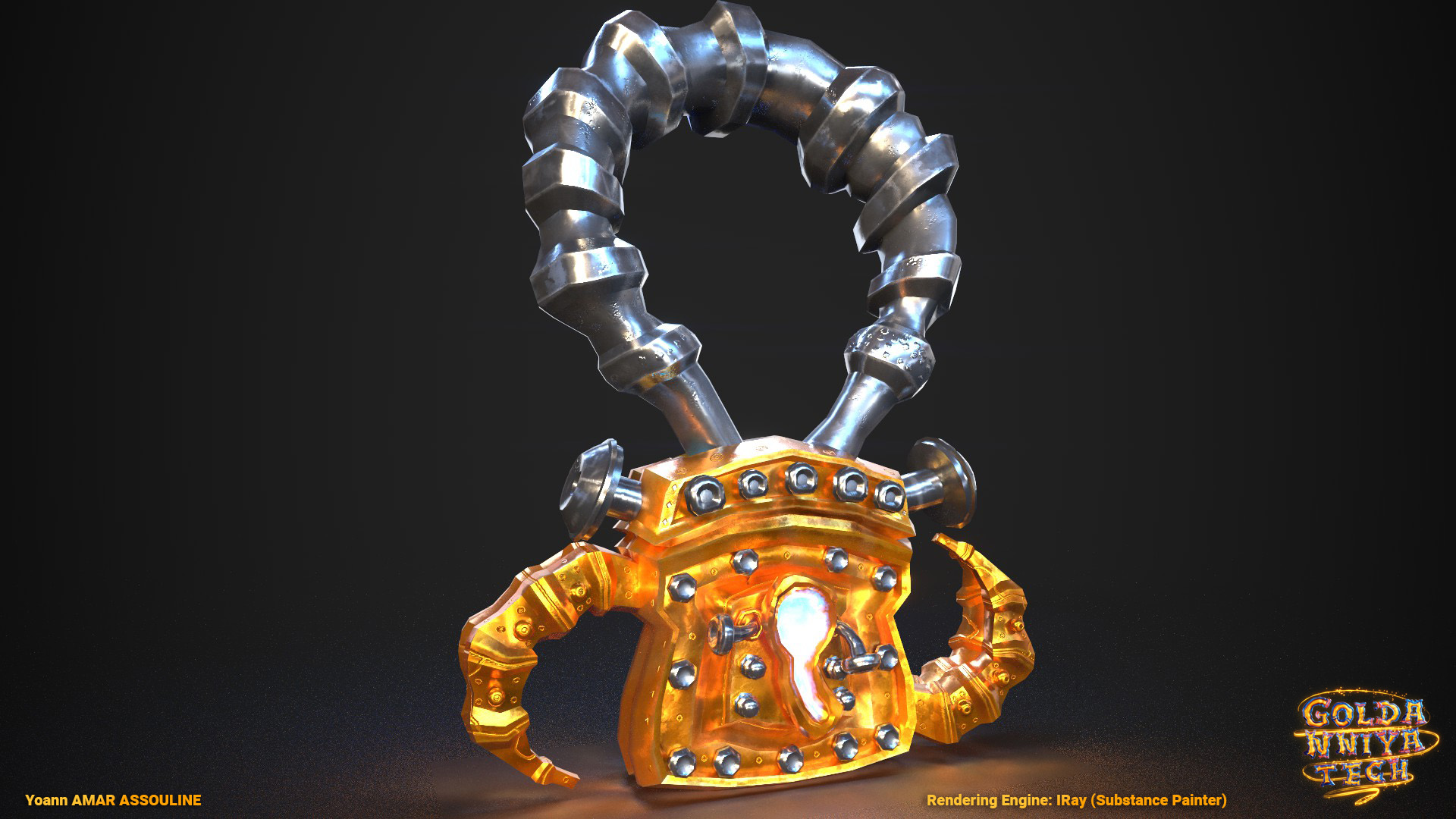
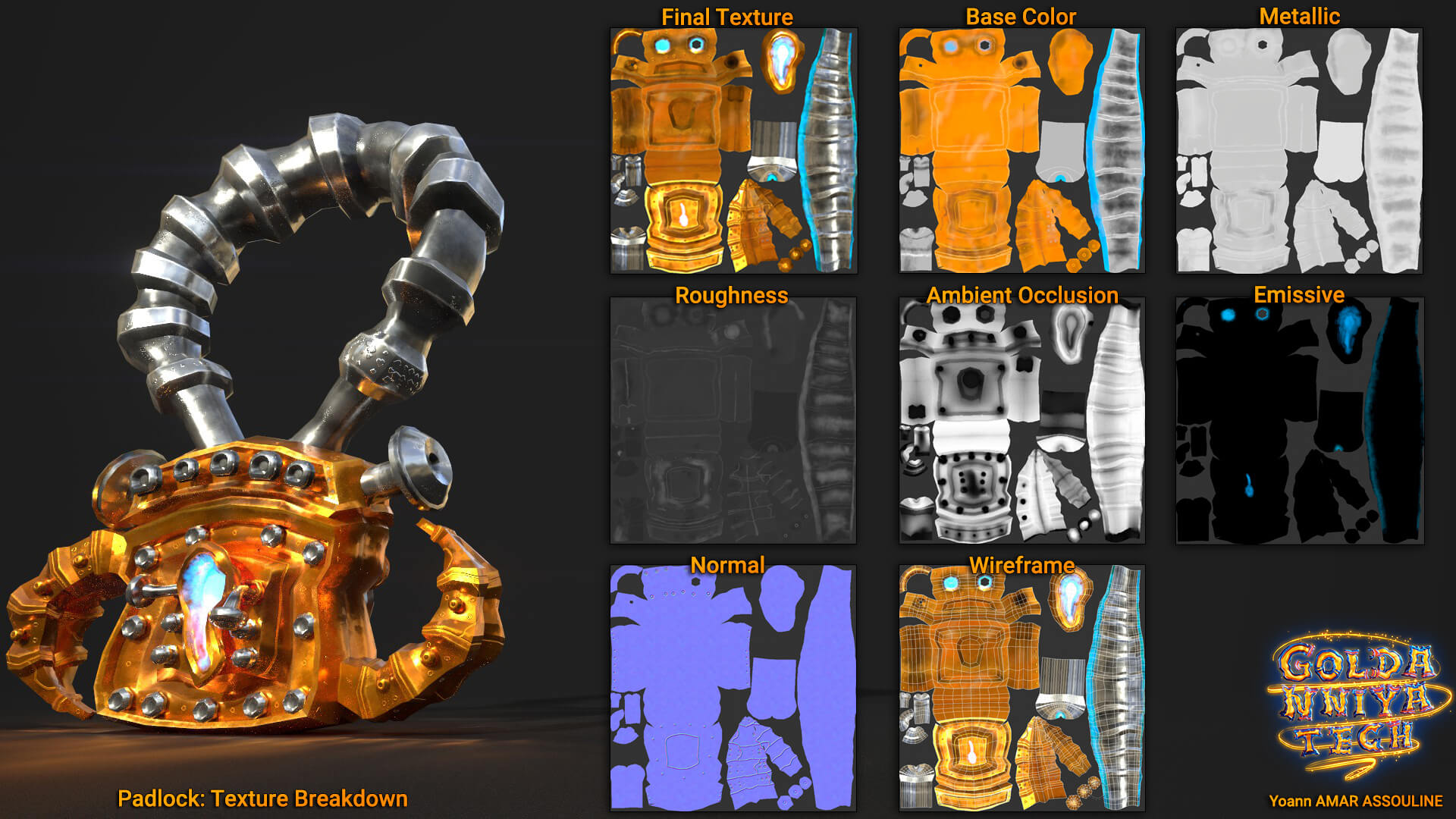
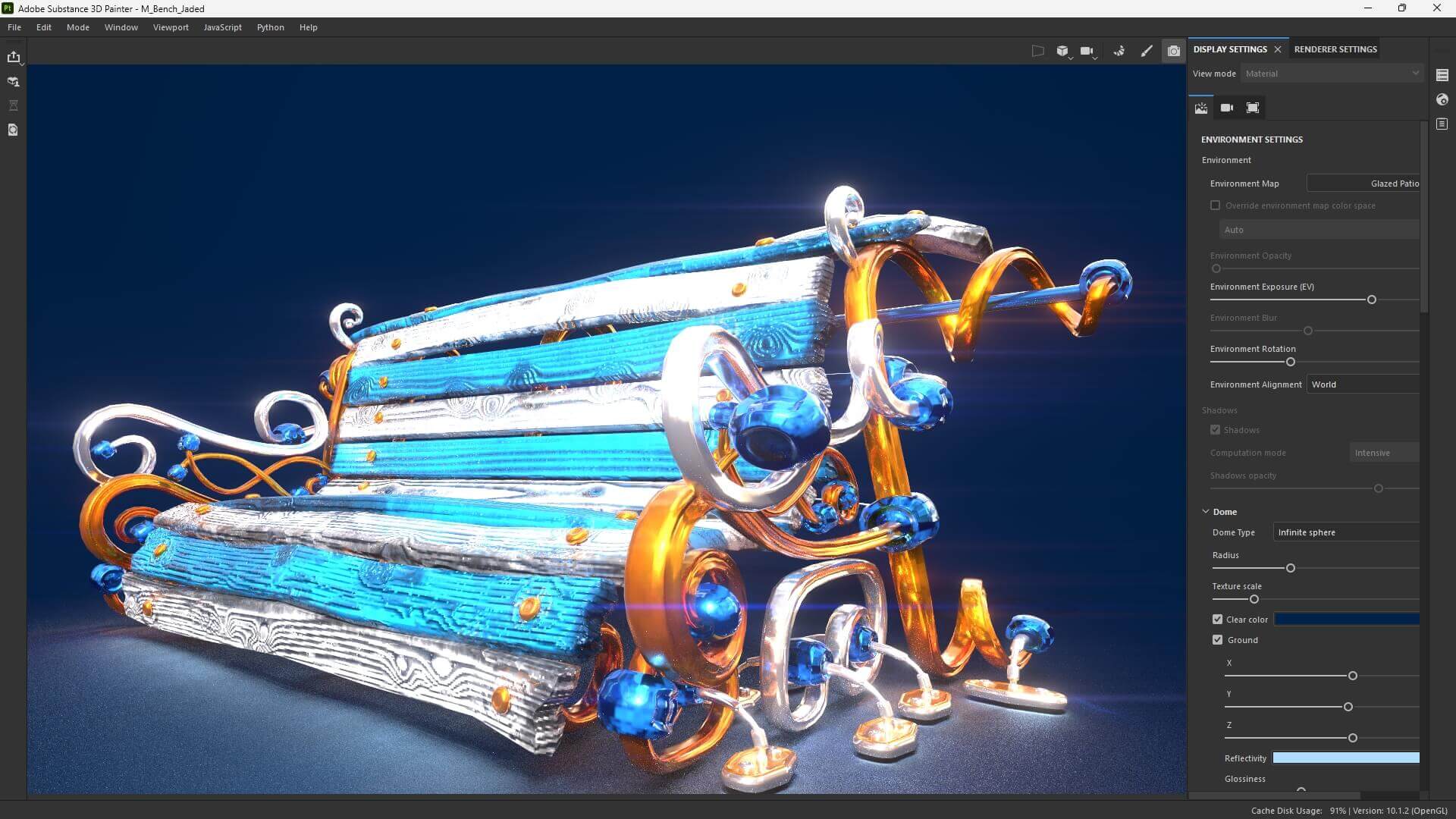
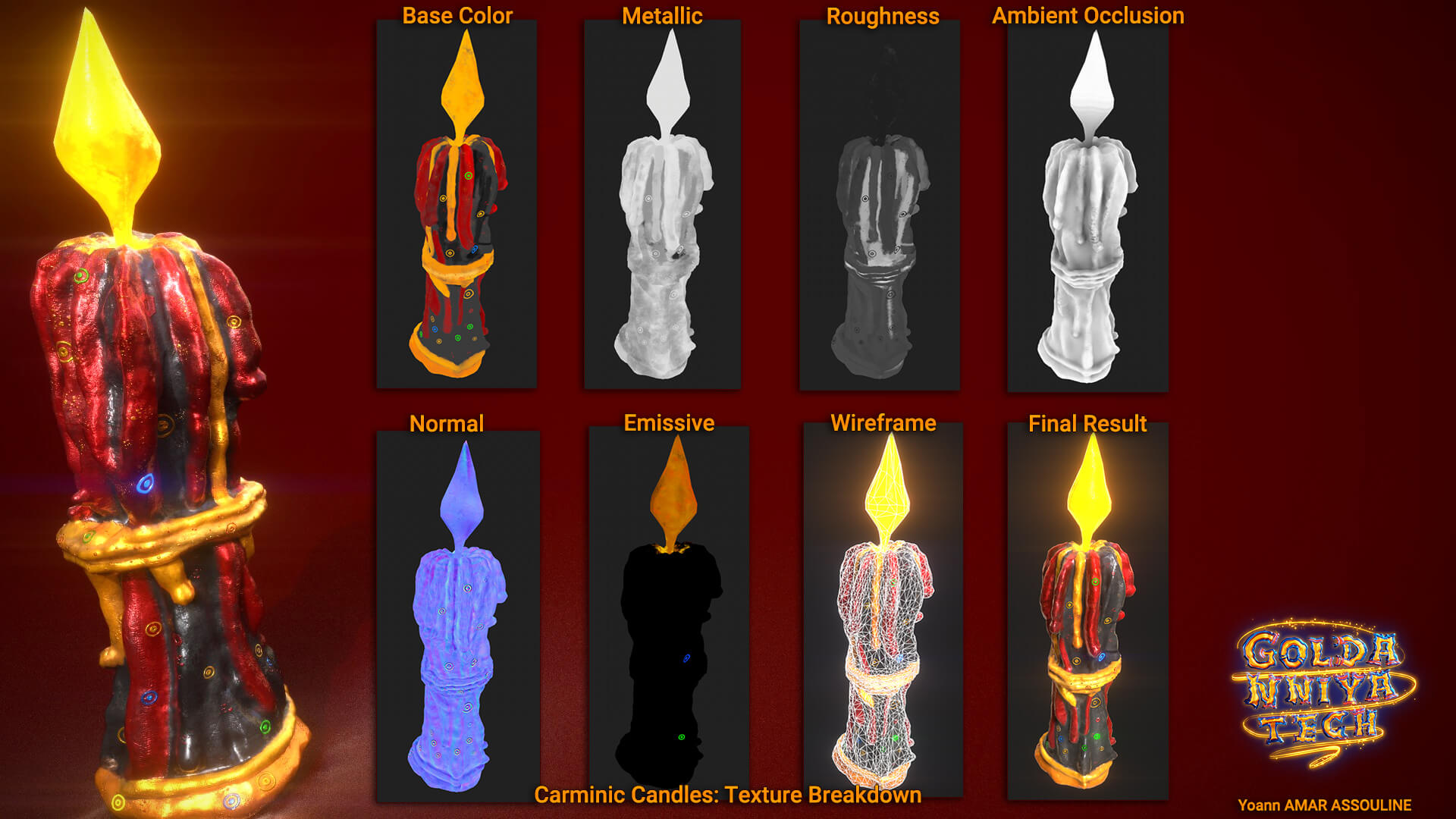
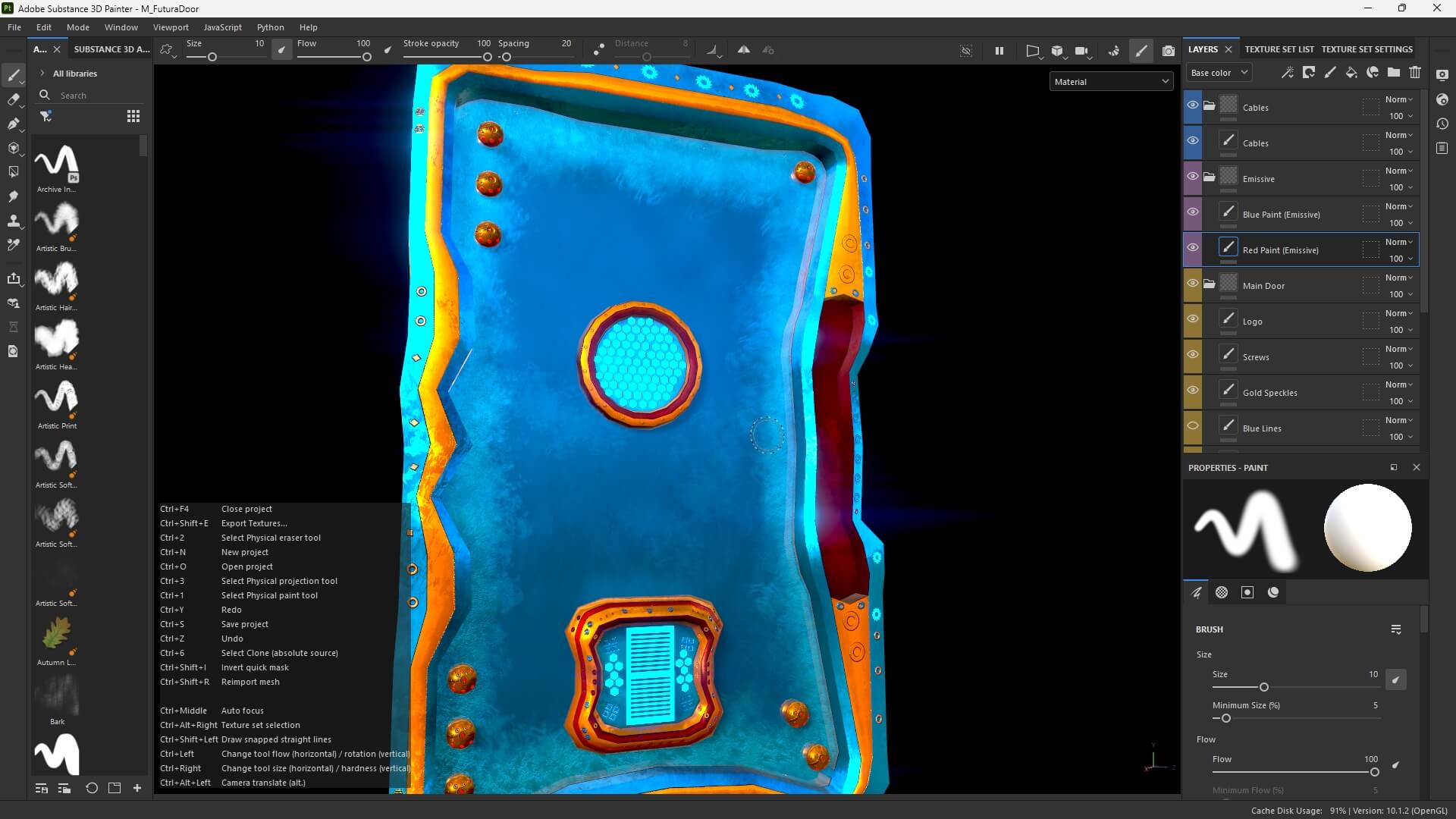
With this prototype, I started to become really comfortable in Substance Painter. Thus, I’ve textured various objects, while trying to balance between stylized and having lot of details.

Padlock from GoldaniatechGolden Project ThumbnailGolden Project ThumbnailGolden Project ThumbnailFuturistic Door from GoldaniatechGolden Project Thumbnail
Whimsical Horse animal from Goldaniatech

Castle Creatures

I’ve worked on multiple creatures (wolf, butterfly, starfish, medusa, etc.), but I’ve only released renders of the single creature I will focus here: the Whimsical Horse! This horse was inspired by a pegasus and… a waffle for the wing shape 😅! The idea was to make multiple skins for the same horse, depending on its state during the game’s battle. I won’t discuss the gameplay here, though, as it was implemented later. The wings are also supposed to be detachable, so the horse can lose them during the battle, but it can also be regenerated at will 🤡!

I actually finished these creatures in early 2025 and fixed some issues with the gameplay, so they are both ready for the demo.

Whimsical Horse animal from GoldaniatechWhimsical Horse animal from GoldaniatechWhimsical Horse animal from GoldaniatechWhimsical Horse animal from GoldaniatechWhimsical Horse animal from Goldaniatech
Cerulean Racer car vehicle from Goldaniatech

Transportation

I’ve also worked on multiple vehicles, but I mostly focused my efforts on the Cerulean Car and finding the right workflow, as it is the base vehicle for most of my gameplay tests.

Cerulean Racer car vehicle from GoldaniatechCerulean Racer car vehicle from GoldaniatechCerulean Racer car vehicle from GoldaniatechCerulean Racer car vehicle from GoldaniatechShark Traveler Nine train vehicle from GoldaniatechCuboid Brawler train vehicle from GoldaniatechGolden Avenue Arcade from GoldaniatechHarold is one of the characters of GoldaniatechHarold is one of the characters of Goldaniatech

Ludalys Prototype


Bathroom from the Ludalys Prototype

Art Style Stabilization


Although I was pretty happy with how the Heavenly Castle prototype was turning out so far, I wanted to experiment more in early 2022.

The idea of this Ludalys prototype was was to build on the textureless concept I explored in the previous Colorful City prototype. I still found the idea very interesting and the result quite pleasant for me ☺️.

This time, I’ve made an entire apartment scene with a different style, and more exaggerated proportions.

That experiment helped me stabilize my art style and really understand what I wanted to create. But in the end, I chose not to include it in the final game (for now 👀), since it felt a bit too disconnected from the rest of my 3D assets.

Ludalys Prototype - BathroomLudalys Prototype - BathroomLudalys Prototype - BathroomLudalys Prototype - BathroomLudalys Prototype - BathroomLudalys Prototype - BathroomLudalys Prototype - Bathroom
Bolt Train Prototype with Blinn-Phong shader workflow

Final Thoughts


The Genesis cycle was incredibly helpful in defining the core parts of my game, both visually and in terms of gameplay. I’ve learned invaluable things through the development of these prototypes over the years. It was very enjoyable, though incredibly challenging at times.

The next update, Aurora, is focused on preparing for the game’s first public demo, bringing together everything I’ve learned so far 😎.


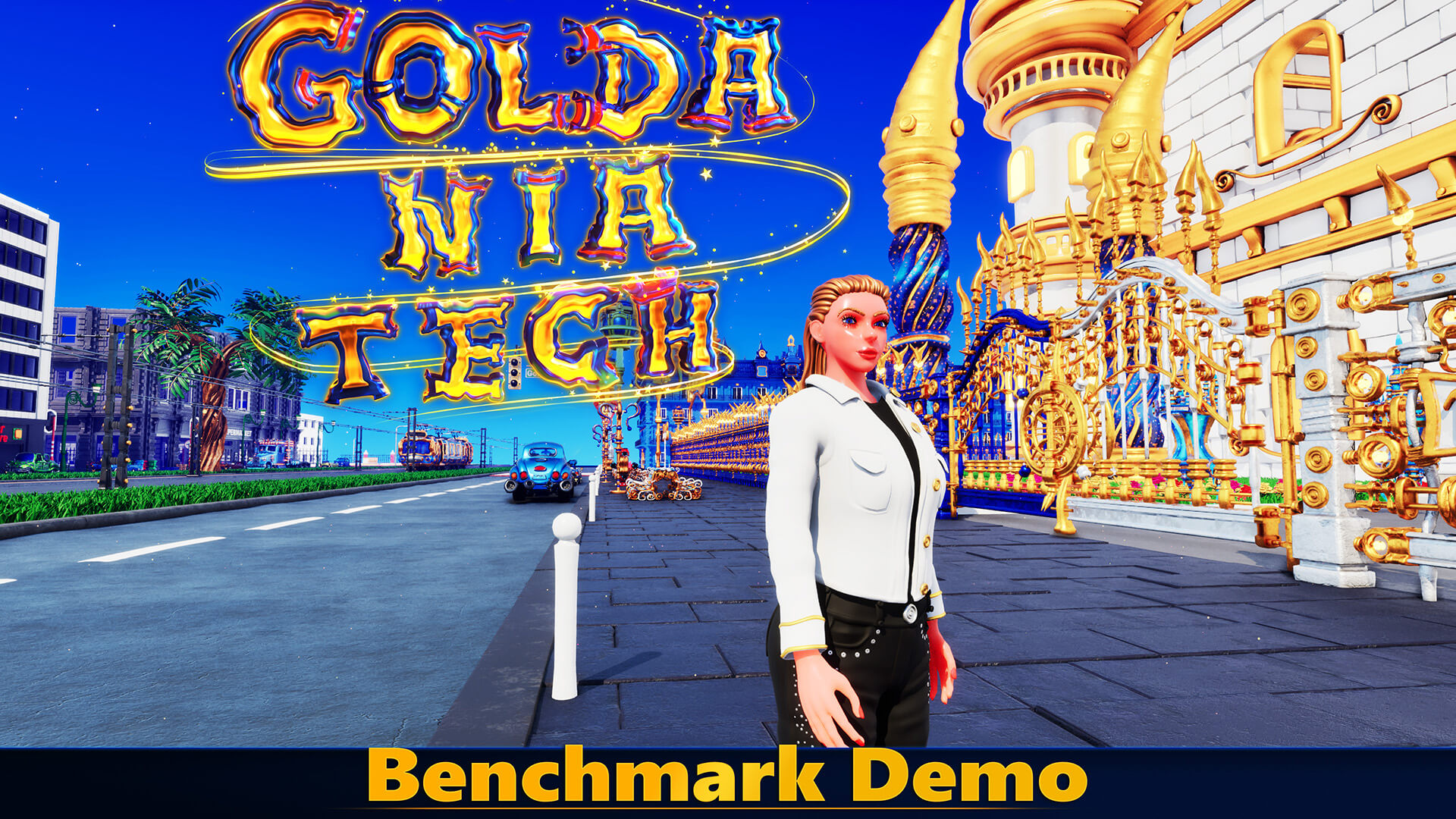
Release 0: Benchmark Demo

Release 0: Benchmark Demo

Update 1: Entering Production

Update 1: Entering Production

Stay Connected


FacebookInstagramPinterestThreadsTikTokX, formerly TwitterYouTube